
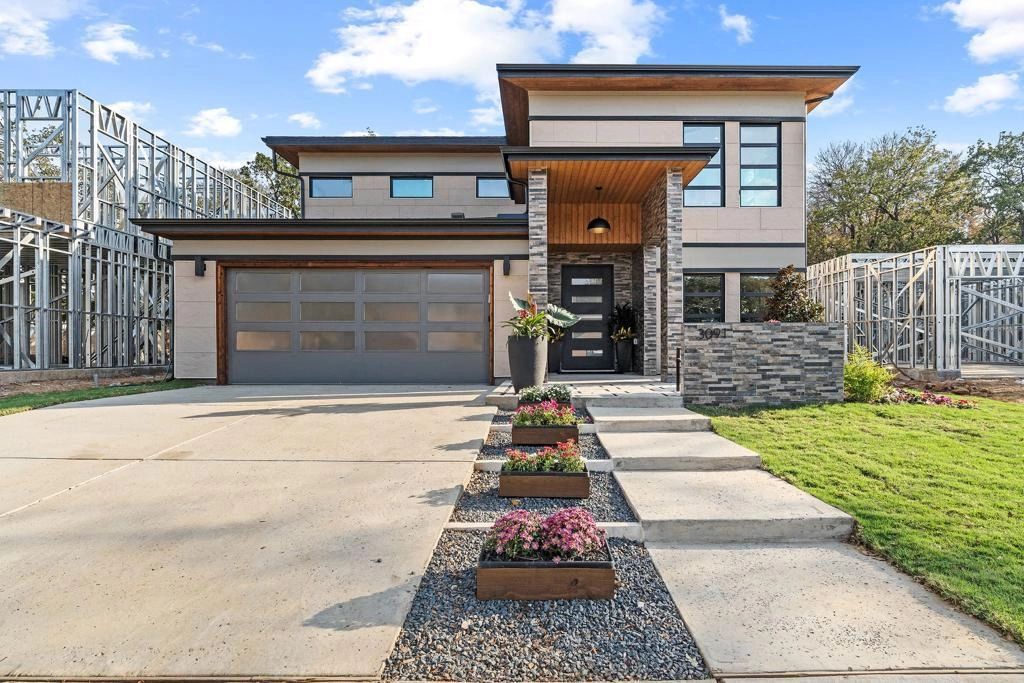
Hard cost range
Labor, materials, site work, scope complexity, finish level, and local cost pressure.
Budget-first construction planning
Estimate ADUs, additions, remodels, garage conversions, and custom home projects before you pay for drawings or compare contractor bids.
Live calculator
Value first. No email wall, no fake exact quote.
Optional. The estimate already did its job. Send it only if you want an SF Bay Area planning review.
Better than square-foot math
Most construction calculators stop at size and finish level. This one separates the budget into the parts homeowners actually need to question before drawings, bids, or financing.
Labor, materials, site work, scope complexity, finish level, and local cost pressure.
Drawings, engineering, permits, utility review, surveys, and planning costs that cheap calculators skip.
A risk buffer that grows when structure, slope, utilities, or existing conditions are still unknown.
Copy the summary, print the report, or download a CSV before comparing drawings, bids, or financing assumptions.
Short answer
A serious home construction cost calculator should show a defensible range, not a fake exact quote. The useful output is hard construction cost, soft costs, contingency, effective cost per square foot, and the next decision to make before spending real money.
Cost drivers
Pick the project type, size, location, finish level, and complexity. Those five inputs explain more of the early budget than most homeowners expect.
Labor, permitting, utilities, engineering, and finish expectations can push SF Bay Area projects far away from national averages.
Drawings, engineering, plan check, permit fees, utility work, and contingency belong in the first planning number. Leaving them out is how budgets get wrecked.
A useful estimate tells you whether to simplify scope, validate feasibility, start drawings, or ask for a constructability review before collecting bids.
Planning ranges
| Line item | Planning range | Why it moves |
|---|---|---|
| Hard construction | Project type x size x location | Labor, materials, site work, contractor overhead, and scope complexity. |
| Soft costs | 4%-22% or minimum allowance | Drawings, engineering, permit, planning, survey, utility, and review costs. |
| Contingency | 10%-20% | Higher when structure, utilities, slope, or existing conditions are unclear. |
| Effective cost / ft | Total range ÷ project size | Useful for sanity checks, dangerous when used as the only budgeting method. |
How to use it
Use the wide range to decide whether the project belongs in the budget at all.
Use line items to compare exclusions, allowances, missing soft costs, and contractor assumptions.
Use the total range as an early cash and loan-planning screen, not a lender quote.
Change finish level, complexity, and size to see which assumption actually moves the number.
Project coverage
Pick the closest scope first, then rerun the calculator with different finish, complexity, and location assumptions. The point is not to make the number pretty; the point is to find the assumption that breaks the budget.
How it works
ADU, addition, remodel, garage conversion, kitchen, bath, or custom home.
National, state, California, SF Bay Area, and high-cost South Bay/Peninsula multipliers.
Finish level, structural risk, utilities, access, and unknown conditions.
Drawings, engineering, permits, plan check, and a real risk buffer.
FAQ
No. It is a planning estimate that helps you understand the likely budget range before drawings, engineering, city review, and contractor pricing.
Early construction budgets should be ranges because site conditions, structural scope, utility work, finishes, permits, and contractor availability can move the number fast.
No. The estimate appears first. Contact information is only for saving the estimate or asking for a local review.
It estimates hard construction cost, soft costs, contingency, and effective cost per square foot using project type, size, location, finish level, complexity, planning stage, and timeline.
Early home construction budgets are uncertain until drawings, engineering, site conditions, utilities, city requirements, and contractor exclusions are known. A range is more honest than a fake precise quote.
Yes. Use it before drawings or bids to catch obvious budget mismatches, then refine the number with plans, allowances, exclusions, and local professional review.
More calculators
Jump between project cost, remodel, ADU, custom home, and financing calculators without starting over from the main nav.
 Broad calculator Construction Cost Calculator
 A broad calculator for early construction budgets, from custom homes to additions and remodels.
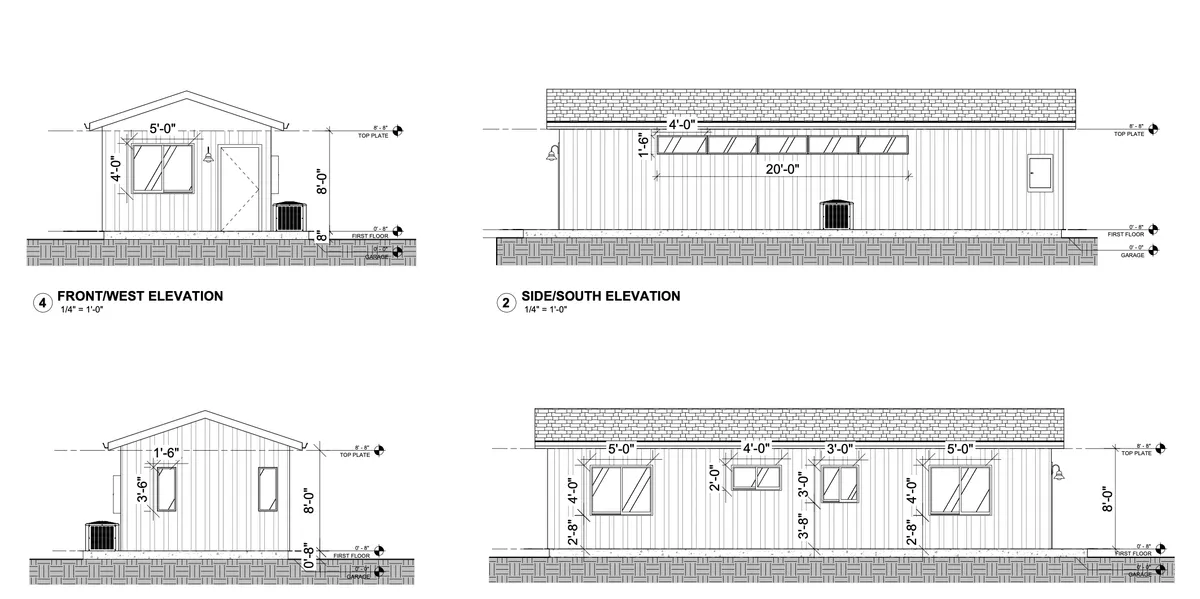 ADU calculator ADU Cost Calculator
 Estimate detached ADU, attached ADU, prefab, JADU, and garage conversion budgets before you commit to plans.
Addition calculator Home Addition Cost Calculator Estimate a first-story addition, second-story addition, bedroom suite, family room, or expanded living area.
 Remodel calculator Remodel Cost Calculator
 Estimate whole-home remodel and renovation budgets before you compare design-build or contractor bids.
Renovation calculator Renovation Cost Calculator Estimate renovation budgets by size, location, finish level, existing condition, and planning stage.
Kitchen calculator Kitchen Remodel Cost Calculator Estimate a kitchen remodel from value-conscious refresh to high-end layout change.
Bathroom calculator Bathroom Remodel Cost Calculator Estimate bathroom remodel costs for hall baths, primary baths, added baths, and layout changes.
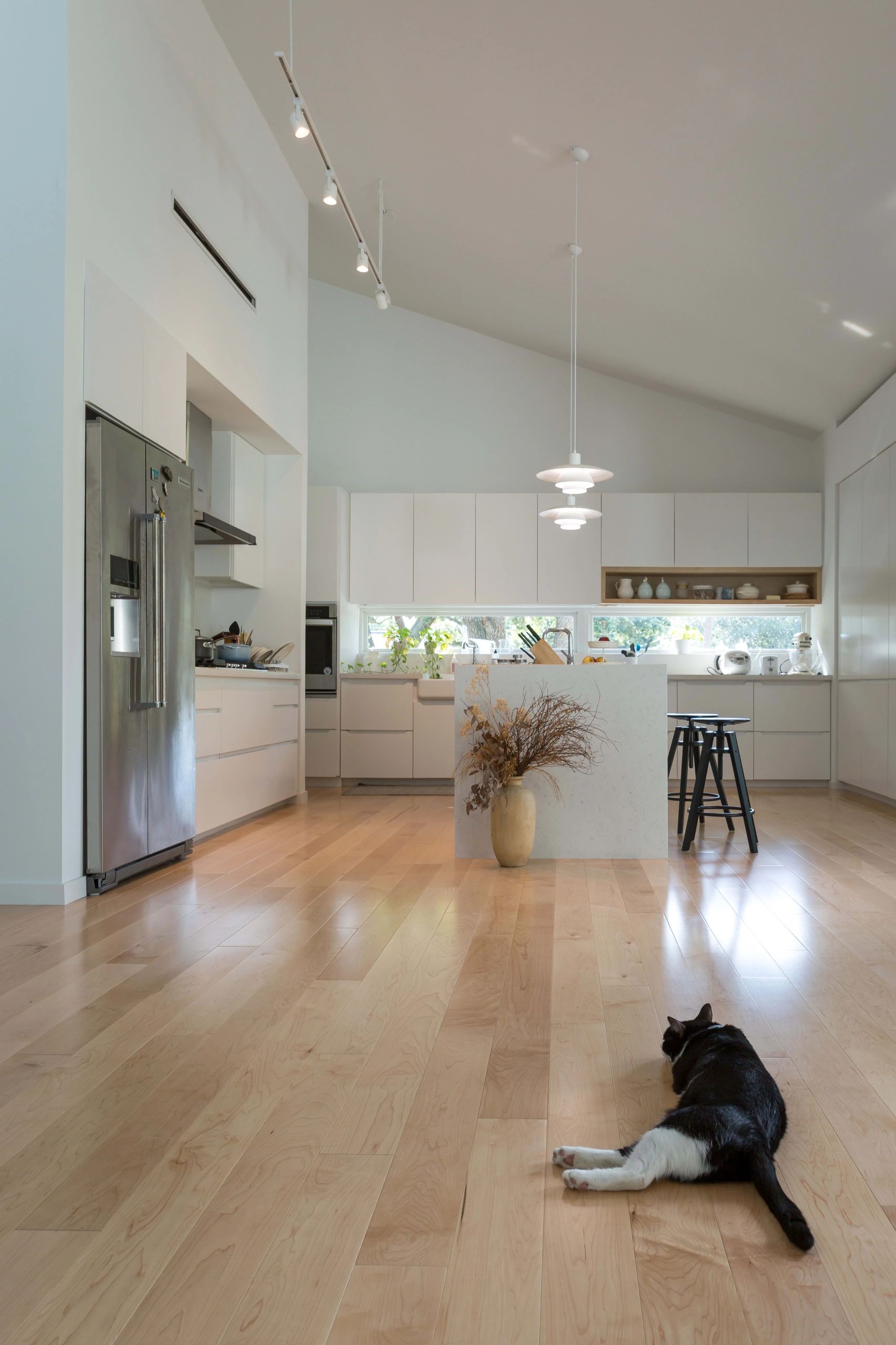 Garage calculator Garage Conversion Cost Calculator
 Estimate the cost to convert a garage into living space or an ADU.
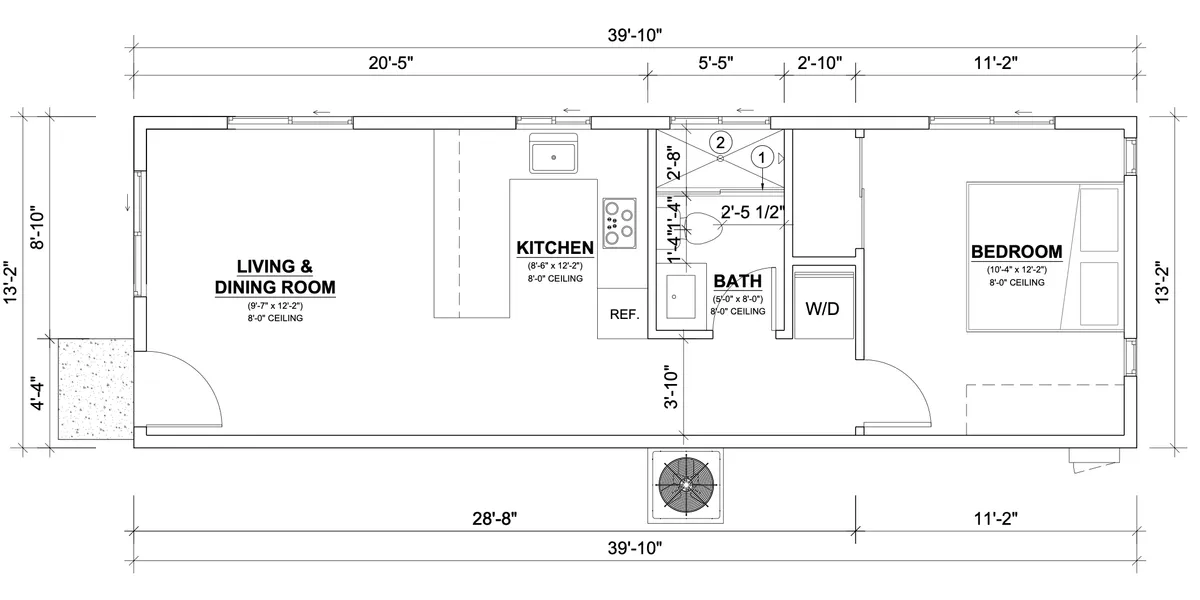 Custom home calculator Custom Home Cost Calculator
 Estimate custom home or new build budgets before you commit to a design direction.
Loan calculator Construction Loan Calculator Estimate draw interest, cash needed, one-time vs two-time close costs, and the permanent mortgage payment.
Mortgage calculator New Construction Mortgage Calculator Estimate cash needed, land equity, construction interest, PMI, closing costs, and monthly payment.